
What Is Back-End Development? Skills, Languages and Salaries
The back end is the invisible part of any application or website that processes data, talks to the database and runs business logic. Discover the languages, frameworks and skills back-end developers need.

The back end is one of the core parts of any application or website. It is usually invisible to the user, but it plays a vital role in how the whole system works. The back end is responsible for processing and managing data, communicating with the database, executing business logic and sending data to the front end. In this introduction, we look at why the back end matters, the technologies it uses and its role in improving system performance.
What Is Back-End Development?
Back-end development is the process of building and developing the part of a piece of software or a website that usually runs on servers and is not visible to the user. The back end is responsible for processing data, managing the database, executing business logic and communicating with the front end.
Back-end development is generally done using programming languages such as Python, Java, PHP and Ruby, and frameworks such as Django, Spring, Laravel and Ruby on Rails. Back-end developers also need to be familiar with concepts such as RESTful APIs, memory management, security and performance optimisation.
Overall, back-end development is the most fundamental part of software and website development; its main job is to connect users and data in an efficient, secure way.

Skills and Languages Back-End Developers Need
To become a successful back-end developer, you need to master a set of languages, frameworks and technical concepts. Here are the most important ones:
1. Programming languages:
– Python: with frameworks such as Django and Flask for developing websites and web systems.
– JavaScript: for developing website back ends using Node.js and Express.js.
– Java: for developing large, scalable systems.
– PHP: for developing dynamic websites and web-based systems.
2. Databases:
– SQL: for managing and working with relational databases such as MySQL, PostgreSQL and Oracle.
– NoSQL: for working with non-relational databases such as MongoDB and Redis.
3. Frameworks:
– Django: for developing complex, scalable websites with Python.
– Express.js: a server-side framework for developing websites with JavaScript.
– Spring Boot: for developing websites and web services with Java.
– Laravel: for developing websites with PHP.
4. Technical concepts:
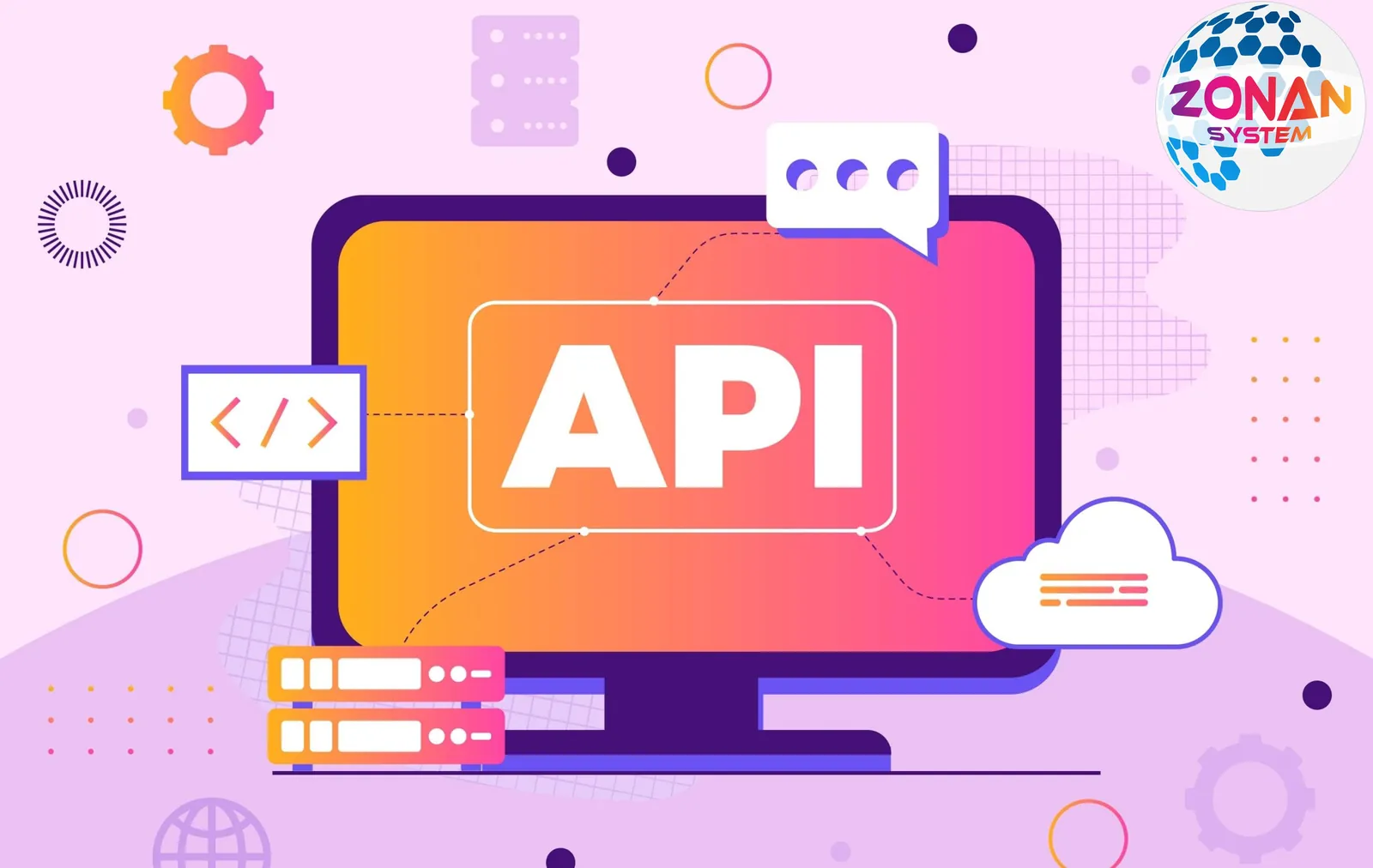
– RESTful APIs: for designing and developing scalable application programming interfaces.
– Secure programming: familiarity with security concepts such as user authentication, privacy protection and preventing security attacks.
– Memory management and performance optimisation: for improving the performance and speed of systems.
By mastering these concepts and languages, you can become a professional back-end developer and build complex, scalable systems.

Java
Java is one of the most popular programming languages in software development. As a general-purpose language, Java supports everything from web applications to desktop software and even embedded systems. Here are some of its key features and main uses:
1. Platform independence: One of Java's standout features is that its code can run on any platform. This means Java code can run on Windows, macOS, Linux and even mobile devices using the Java Virtual Machine (JVM).
2. Scalability and power: Java is well suited to building large, complex systems with a variety of requirements. There are many frameworks, such as Spring and Hibernate, that help developers build powerful, high-performance systems.
3. Security: With numerous security features such as memory management and control over access to resources, Java is considered a secure language. It also uses security mechanisms such as security classes and digital signatures to protect applications from malicious attacks.
4. Wide range of uses: Java is used in many areas, including web development, server-side programming, mobile app development (on platforms such as Android), desktop programming and even embedded systems programming.
5. A large community and ecosystem: With more than two decades of activity, the Java community is very large and vibrant. It includes developers, libraries, frameworks, tools and learning resources that help developers around the world learn and get the best out of the language.
Given these features, Java is considered one of the main and most popular programming languages for software development today.
PHP
PHP is a server-side programming language used to develop dynamic websites and web applications. It is very widely used, especially for small and medium-sized projects. Here are some of PHP's features and advantages:
1. Simplicity and ease of use: PHP is known as an easy language for getting started with web programming. Working with it and understanding its concepts is relatively simple, which is very helpful for beginners.
2. Database support: PHP works well with most databases, such as MySQL, PostgreSQL and SQLite, making it possible to build applications that interact with a database.
3. Dynamic and adaptable: PHP is a dynamic language that is very easy to change and extend. This allows programmers to modify and improve their code easily.
4. Widely used, with an active community: PHP is known as one of the most widely used programming languages on the web and has a large, active community offering plenty of tools and resources for learning and support.
Given these advantages, PHP is a very credible choice for developing websites and web applications, especially small and medium-sized projects that need fast, easy development.
Python
Python is one of the most popular programming languages in the world today and is used for a wide range of applications, from web development to data science and artificial intelligence. Here are some of Python's features and advantages:
1. Readability and simplicity: With its simple, readable syntax, Python is one of the best choices for beginners and professionals alike. It makes code easy to understand.
2. Scalability: Python is well suited to projects of all sizes, from small to large, and is compatible with a variety of runtime environments.
3. Widely used in data science and AI: With well-known libraries such as NumPy, Pandas, Matplotlib and TensorFlow, Python is recognised as one of the main tools for data analysis and building AI models.
4. A large, active community: Python has an active, dynamic community that provides plenty of resources for learning, support and development. This community is constantly developing and improving the language and its libraries.
Given these features, Python is one of the best choices for developing applications, websites, apps and AI projects. It is an excellent option especially for those looking for a simple, powerful, general-purpose language.
SQL
SQL (Structured Query Language) is a language used to manage and interact with relational database management systems (RDBMS). It is used for operations such as retrieving, adding, editing and deleting data in databases. Here are some of SQL's fundamental concepts:
1. CRUD statements: CRUD stands for Create, Read, Update and Delete. SQL has statements such as INSERT for creating records, SELECT for retrieving data, UPDATE for updating records and DELETE for deleting records.
2. Management statements: SQL has statements for managing database structure, including CREATE TABLE for creating tables, ALTER TABLE for changing table structure and DROP TABLE for deleting tables.
3. Conditions and filters: SQL uses clauses such as WHERE to filter data and perform specific operations on it. Comparison operators such as =, <>, <, >, <= and >= are used to compare data.
4. Grouping and ordering: SQL makes it possible to group data with GROUP BY and order it with ORDER BY.
5. Transactions and isolation: SQL provides facilities for managing transactions and isolation to ensure the correctness and reliability of the data in the database.
SQL is vital for back-end developers, as it allows them to communicate with databases, retrieve data and carry out the necessary operations on it.
C#
C# is a well-known high-level programming language developed by Microsoft and used to build many kinds of software, such as Windows applications, web applications, computer games and mobile apps. Here are some of C#'s features and advantages:
1. Flexibility: C# is a general-purpose language suitable for developing a wide range of applications, including Windows applications, web applications and mobile apps.
2. Object orientation: C# is designed as an object-oriented programming language, which allows programmers to write structured, modular applications.
3. Maturity: C# offers features such as code automation, automatic memory management and compile-time error checking, which make the development process easier.
4. Security: C# has facilities for managing application security, making it possible to write highly secure applications.
5. Community and support: C# has an active developer community and support from Microsoft, giving programmers access to plenty of resources for learning and support.
Given these features, C# is one of the most popular and widely used languages in the software industry, especially for developing applications for Windows systems and Microsoft products.

How Much Do Back-End Developers Earn?
Back-end developers' earnings vary and depend on factors such as level of experience, location, skills, type of company (large corporation or start-up) and industry. Generally speaking, however, back-end developers with the right experience and skills can expect to earn a very good salary.
Globally, back-end developers usually earn between $50,000 and $100,000 or more a year. This can be even higher in certain circumstances, such as at large technology companies or in cities with a high cost of living.
Overall, a developer's experience and skills, together with their professional connections and networking, can have a significant impact on increasing their income. Factors such as the number of projects completed, involvement in large-scale projects and specialist skills such as security and performance optimisation can also help raise earnings.
Conclusion
The back end is one of the core parts of any application or website. It is invisible to the user but plays a vital role in how the whole system works. It is responsible for processing and managing data, communicating with the database, executing business logic and sending data to the front end. To build a robust, high-performance back end, you need programming skills and a good understanding of databases, security and performance optimisation.
Zonan System Team
Software & AI team
Developers, designers and AI engineers at Zonan System, writing about practical AI, software development and digital business.
Need advice for your project?
Zonan System experts will guide you for free.

Comments (0)
Be the first to comment.