
What Is a Full-Stack Developer? Skills, Pros and Cons
A full-stack developer works across both the front end and the back end of web development. Learn the pros and cons of the role and the technical and soft skills every full-stack developer needs.
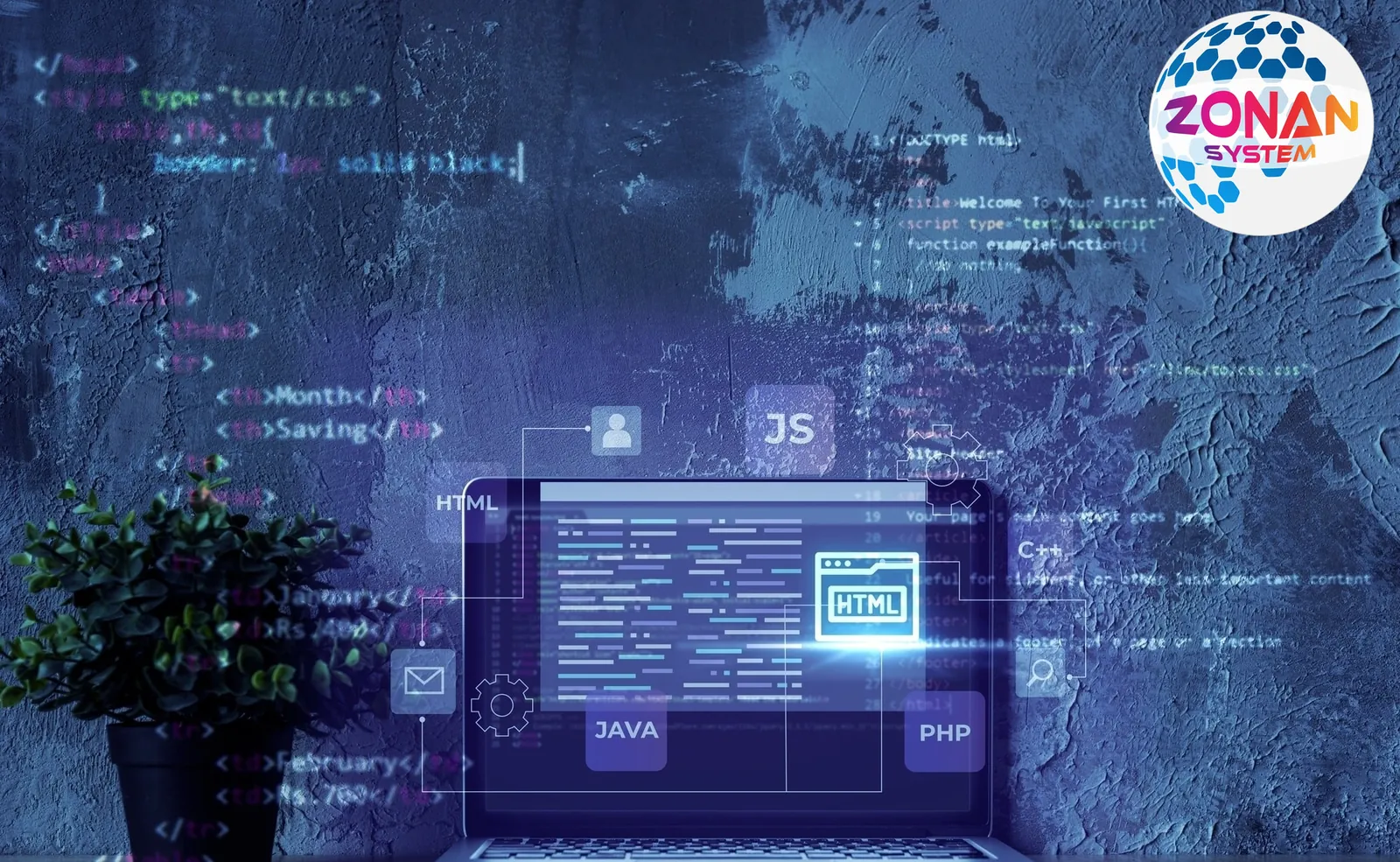
A full-stack developer is something of a digital artist who breaks down boundaries and specialises in both of the major worlds of web development: the front end and the back end. They work not only on the visible, user-friendly parts of websites but also behind the scenes on complex, system-level components. Using a range of programming languages and frameworks, they develop applications and websites that excel both in user experience and in technical quality. In fact, as a kind of web architect, a full-stack developer has a complete understanding of every aspect of software development, which leads to a better user experience and better performance.
Who Is a Full-Stack Developer?
A full-stack developer is a software developer who can work across every layer of an application or website, from the front end to the back end and even the infrastructure. This kind of developer can be skilled in many areas of software development at once, including designing and creating user-friendly interfaces (UI/UX), implementing client-side (front-end) features, developing and managing back-end systems, databases, infrastructure and security. The ability to work with different frameworks and languages is also one of the hallmarks of a full-stack developer.

Advantages of a Full-Stack Developer
Full-stack developers bring some unique advantages and benefits:
1. The ability to work across every layer of an application or website: They can work on both the front end and the back end at the same time and use this ability to build complete, integrated applications.
2. Higher productivity: A full-stack developer can meet all of a software project's development needs, which reduces dependency on separate teams and increases productivity.
3. A holistic understanding of the system: These developers have a comprehensive view of systems, from infrastructure to user interface and everything in between, which helps them deliver better, more efficient solutions.
4. Flexibility: Full-stack developers can work in different teams and on varied projects, and can easily adapt when they need to switch roles.
5. The ability to solve multi-layered problems: Because they can work across every layer of a system, these developers can tackle multi-layered problems holistically and deliver comprehensive, coordinated solutions to complex issues.
Overall, with broad knowledge of every aspect of software development, full-stack developers can contribute comprehensively to developing and improving systems and applications.
Disadvantages of a Full-Stack Developer
Although full-stack developers have many advantages and abilities, there can also be some drawbacks:
1. Lack of deep specialism: Because their work spans so many areas, a full-stack developer may not be as deeply knowledgeable as a specialist in any one of them. This can mean less depth of knowledge and ability in a particular field.
2. Difficult scheduling: Because they cover so many layers of development, full-stack developers may face scheduling problems and struggle to work effectively in every area.
3. Constantly updating their knowledge: With technologies and frameworks constantly changing, full-stack developers must keep their knowledge up to date so they are familiar with new developments and can apply the necessary updates.
4. Complexity in large projects: In large, complex projects, managing and controlling every aspect of development can become very difficult and may require collaboration with other specialist teams.
5. Increased risk: Relying on a full-stack developer as the only developer on a project can bring added risks, such as an inability to deal with complex problems or reduced quality and reliability of the system.
Nevertheless, with proper management and the best use of their abilities, full-stack developers can work effectively and successfully on a wide range of software and projects.
Skills a Full-Stack Developer Needs
The skills a full-stack developer needs include the following:
1. Programming languages: Familiarity with a variety of programming languages, including JavaScript (with frameworks such as React or Angular for the front end and Node.js or Express.js for the back end), Python, Ruby, Java or PHP.
2. Frameworks: A command of the many frameworks used for web and software development, including React, Angular, Vue.js, Django, Flask, Laravel, Spring and Rails.
3. HTML/CSS: The ability to design and build user interfaces with HTML and CSS to create attractive, user-friendly web pages.
4. Databases: Familiarity with database concepts and SQL, and experience working with common databases such as MySQL, PostgreSQL, MongoDB and Redis.
5. RESTful APIs: The ability to design and develop RESTful APIs for communication between the front end and the back end.
6. Soft skills: Good communication, teamwork, time and project management, problem-solving and analytical thinking.
7. Security concepts: Familiarity with security concepts and methods for preventing attacks such as XSS, CSRF and SQL injection.
8. Networking concepts: An understanding of networking concepts such as HTTP/HTTPS, TCP/IP, DNS and routing.
9. Software design principles: Familiarity with the SOLID principles and design patterns as effective ways to structure code and improve the extensibility and manageability of software.
10. Continuous learning: Given the constant changes in technology, full-stack developers must be able to keep learning and updating their skills.
These skills can vary depending on a project's specific needs and the technologies used, but the general principles and core skills listed here are considered fundamental for a full-stack developer.

1. Programming Languages
Programming languages are very important for a full-stack developer, because they need to work on both the front end and the back end. Below are the main programming languages for each layer:
Front end:
1. JavaScript: The core language for front-end development. As a full-stack developer, you need a complete command of it. Today, frameworks such as React.js, Angular and Vue.js use JavaScript to build interactive user interfaces.
Back end:
1. JavaScript (Node.js): If you use JavaScript on the front end, you can also use Node.js for back-end development. This allows you to work in a single programming language and share code between the front end and the back end.
2. Python: Python is one of the most popular languages for back-end development, especially with frameworks such as Django or Flask.
3. Ruby: Ruby, with the Ruby on Rails framework, is used to rapidly develop dynamic, scalable websites.
4. Java: Java is also a popular back-end language, particularly for building large, scalable applications.
5. PHP: PHP is a well-known web development language and is used with frameworks such as Laravel or Symfony to build reliable, scalable applications.
Any of these languages and frameworks can be chosen based on the needs of the project and your preferences. For full-stack development, however, it is very important to choose languages and frameworks that work well together and allow code to be shared.
2. Frameworks and Libraries
Frameworks and libraries are very important tools for full-stack developers, because they enable them to develop applications and websites quickly and to a high standard. Here are a few popular frameworks and libraries for the front-end and back-end layers:
Front end:
1. React.js: One of the most popular JavaScript libraries for building interactive, dynamic user interfaces.
2. Angular: An open-source framework developed by Google for building single-page web applications (SPAs).
3. Vue.js: A lightweight yet powerful framework for building user interfaces that integrates easily with other frameworks and libraries.
Back end:
1. Express.js (Node.js): A Node.js framework used to build server-side websites and web applications, known for its speed, simplicity and flexibility.
2. Django (Python): A Python framework used for the rapid development of database-driven web applications, offering strong security and fast development.
3. Ruby on Rails (Ruby): A very powerful Ruby framework for developing websites and web applications, enabling concise, highly readable code.
4. Laravel (PHP): A PHP framework used to develop web applications quickly and in a modern way.
On both the front end and the back end, there are also many libraries that help us work faster and better, including state management libraries such as Redux for React.js, API libraries such as Axios or Fetch, form management libraries such as Formik, and many more.
3. Front-End Development
In front-end development, developers usually use languages such as HTML, CSS and JavaScript to build and design the user interface (UI) components of websites and web applications. Here are the skills and concepts a front-end developer should master:
1. HTML (HyperText Markup Language):
– Familiarity with HTML structure and tags to create the components and structure of a website.
– The ability to use formatting elements, forms, images and links.
2. CSS (Cascading Style Sheets):
– Skill in designing and applying styles and visual appearance to HTML elements.
– Familiarity with selectors, combinators and units of measurement.
3. JavaScript:
– The ability to program and create interactive behaviour for websites.
– Familiarity with the DOM (Document Object Model) and events for interacting with HTML elements.
– The ability to use frameworks and libraries such as React, Angular or Vue.js to speed up development.
4. Responsive design:
– The ability to design and build websites that can be viewed and used on different screen sizes and devices.
5. Cross-browser compatibility:
– Familiarity with differences in how websites behave and display in different browsers.
6. Version control systems:
– The ability to use version control systems such as Git to manage and track code changes.
7. Debugging and testing:
– Skill in finding and fixing bugs in JavaScript and CSS code.
– Familiarity with testing tools and techniques, and writing unit tests.
8. Basic design principles:
– Familiarity with ergonomic and UI/UX design principles to improve the user experience.
Front-end developers typically work with a range of tools and frameworks, such as React.js, Angular, Vue.js and SASS/LESS, to make developing websites and web applications easier.
4. Server-Side Development
In server-side (back-end) development, developers are responsible for implementing and managing the parts of a website that users cannot see. They often work with a range of languages and frameworks, such as Node.js, Python, Ruby, PHP and Java. Here are the skills and concepts server-side developers should master:
1. Programming languages:
– Node.js (JavaScript): Many server-side applications are developed with JavaScript and Node.js.
– Python: With frameworks such as Django or Flask, Python is used for the rapid development of server-side applications.
– Ruby: With the Ruby on Rails framework, Ruby is used to develop server-side web applications.
– PHP: One of the most popular languages for developing server-side web applications, especially with the Laravel framework.
2. Database concepts:
– Familiarity with relational databases (such as MySQL and PostgreSQL) or NoSQL databases (such as MongoDB) for storing and managing data.
– The ability to design and build scalable, efficient databases.
3. API development:
– The ability to design and implement application programming interfaces (APIs) for communication between the front end and the back end.
– Familiarity with RESTful API standards and design practices.
4. Authentication and authorisation:
– The ability to implement authentication and authorisation systems to protect sensitive data and keep the system secure.
5. Software structure and architecture:
– Familiarity with architectural patterns such as MVC, MVVM and Clean Architecture.
– The ability to structure business logic and layer an application to improve extensibility and maintainability.
6. Code management systems:
– Using version control systems such as Git to manage and track code changes.
7. Security and data protection:
– Familiarity with security concepts and methods for preventing attacks such as XSS, CSRF and various kinds of injection.
8. Testing and evaluation:
– The ability to write unit tests and integration tests to make sure the application works correctly.
These skills and concepts can help you become a successful, effective server-side developer able to build complex, scalable applications.
5. Working with Databases
Working with databases is one of the core skills for back-end developers. It involves storing, retrieving, updating and managing data in different databases. Here are the important skills and concepts needed to work with databases:
1. SQL (Structured Query Language):
– A command of standard SQL for creating and managing relational database management systems (RDBMS).
– Skill in writing complex queries to search, insert, delete and update data.
2. NoSQL databases:
– An understanding of NoSQL databases such as MongoDB, Cassandra or Redis for handling unstructured or semi-structured data.
– Familiarity with document-based, key-value and wide-column stores.
3. ORMs (Object-Relational Mapping):
– Experience with ORMs such as Sequelize for connecting databases with programming languages such as JavaScript or Python.
– Skill in mapping structured objects to the data stored in the database.
4. Database design and normalisation:
– Familiarity with database design concepts and normalisation for designing optimal, extensible data structures.
5. Data migration and backup:
– The ability to migrate and back up data between different databases to keep data secure and deployed correctly.
6. Performance optimisation:
– Skill in optimising the performance of databases and queries to increase the speed and efficiency of the system.
7. Security and access control:
– Awareness of database-related security concepts and the application of data protection methods such as encryption and authentication.
8. Database administration:
– The ability to manage and maintain databases, including installation, configuration, monitoring and updates.
9. Data analysis and reporting:
– The ability to use various tools and techniques to analyse data and produce reports on system performance and transactions.
10. Backup and recovery:
– Skill in backing up data and carrying out recovery procedures in the event of errors or data loss.
These skills help developers manage data using best practices and ensure it is used to build efficient, stable applications.
6. Understanding Design Principles
Understanding design principles is an important skill for developing software and websites. Design here means user interface (UI) and user experience (UX) design. Below are some key design principles developers should be familiar with:
1. Focus on user experience (UX):
– Designing applications and websites so that the user experience is easy and pleasant is extremely important.
2. Simplicity:
– Removing unnecessary elements and keeping the design simple so users can understand and use it more easily.
3. Consistency:
– Using similar patterns and styles throughout the application to create a seamless, coherent experience.
4. Iconography:
– Using symbols and icons instead of text to make information easier and quicker to understand.
5. Colours and layouts:
– Using colours, layouts and space to create an attractive, effective appearance.
6. Responsiveness:
– Designing applications and websites so they display correctly on all kinds of devices and screen sizes.
7. Information hierarchy:
– Organising information so that its importance is clear and users can access it easily.
8. Testing and iteration:
– Designing and testing early to evaluate the effectiveness and accessibility of the design, then making the necessary improvements based on user feedback.
9. Alignment with the user flow:
– Designing the user flow so users can find the information they need naturally and effortlessly.
10. Above the fold:
– Placing important information and functions in the visible area at the top of the page to attract more attention.
These design principles can help developers create optimal user interfaces for their applications and websites that excel in usability, aesthetics and performance.
7. Personal Skills
Personal skills, also known as soft skills, are the skills that help you succeed in the workplace and in your personal life. They can have a significant impact on your success. Below are some key soft skills that are useful for a full-stack developer:
1. Active communication:
– The ability to communicate well with colleagues, clients and other members of the team.
– The ability to listen to others and convey ideas and information clearly and effectively.
2. Collaboration and teamwork:
– The ability to work in a team and collaborate with people of different skills and backgrounds.
– Sharing knowledge and experience with others and taking an active part in group processes.
3. Time management:
– The ability to plan and manage time so that tasks are completed on time and to a high standard.
– Prioritising and managing several tasks at once.
4. Independence and self-motivation:
– The ability to work independently and make sound decisions without relying on others' opinions.
– The ability to set personal goals and pursue them with drive and self-motivation.
5. Problem-solving and adaptability:
– The ability to solve complex and unexpected problems creatively and logically.
– Flexibility in the face of change and the ability to adapt to different situations.
6. Communication skills:
– The ability to write emails and reports and communicate effectively in writing.
– The ability to present and communicate verbally, conveying information fluently and clearly.
7. Negotiation and legal awareness:
– The ability to negotiate and remain flexible in complex situations, and to work constructively with others.
– Awareness of legal issues and regulations relevant to your industry and profession.
8. Supportiveness and empathy:
– The ability to support colleagues and help them when needed.
– Creating a friendly, pleasant working environment for all team members.
These soft skills help you work successfully and effectively as a full-stack developer and, more generally, achieve greater success in whatever you do.

Conclusion
Full stack refers to a developer's ability to work on both the front end and the back end. Such a developer can take on everything from user interface (UI) and user experience (UX) design to server-side implementation and database management. This broad technical capability goes hand in hand with soft skills such as time management, active communication and teamwork. In short, full-stack developers are valuable, versatile assets in the world of software development.
Zonan System Team
Software & AI team
Developers, designers and AI engineers at Zonan System, writing about practical AI, software development and digital business.
Need advice for your project?
Zonan System experts will guide you for free.

Comments (0)
Be the first to comment.