
What Is Programming? Everything You Need to Know
In today's technology-driven world, programming is a fundamental and highly valuable skill. Learn what programming is, its history, the main types of languages and the benefits of learning to code.
In today's technology-driven world, programming is recognised as a fundamental and highly valuable skill. It is an art that allows you, as someone who makes use of the powerful tool that is the computer, to create and develop the software and applications you use every day.
On this journey, your main tools are programming languages. These languages allow you to communicate with computers and instruct them to carry out a wide range of tasks. The most important thing in programming is learning how to solve problems. Programming is not just about writing code; it is also about logical thinking, breaking problems down and choosing the best solution for them.
From here, we start by learning fundamental concepts such as variables, conditions, loops and functions. Gradually, we will also get to know data structures and more advanced algorithms. Along the way, practical exercises and real-world examples will help you strengthen your programming skills and make the most of the tools you have built to solve digital problems.
As you begin this journey into the world of programming, I hope you enjoy the scientific discovery and creativity it offers, and that you develop your ability to create and build innovative solutions.
What Is Programming?
Programming is the process of writing and developing software or computer programs. It involves creating source code, testing, finding and fixing errors, and finally deploying the program so that it can run in a computing environment. Programmers use a variety of programming languages, such as C++, Java and Python, to meet the different requirements of software.
Programming is both the art and the science of writing code. In fact, it is a systematic process that programmers use to design and develop software and computer applications. The process includes stages such as requirements analysis, design, coding, testing and, finally, deployment and maintenance. Programmers use different programming languages, such as Python, Java, C++ and JavaScript, to address a wide range of needs, including web development, mobile apps and server software.
A Brief History of Programming
The history of programming is a sweeping journey from its very beginnings to the present day. It started with the emergence of the first computing machines and has accelerated ever since. In the early modern era, the first programming languages, such as Assembly and Fortran, were created, allowing programmers to write code that was close to machine language.
In the following decades, more advanced programming languages such as C and C++ appeared, offering greater capabilities for building complex software. With the rise of the internet and the growth of information technology, modern languages such as Java, Python and JavaScript emerged, enabling programmers to develop web applications, mobile apps and complex systems.
The development of new tools and methods, such as integrated development environments, unit testing and software development processes, has also played an important role in the progress of modern programming. Today, programming is recognised as one of the essential and most important professions in the digital world, and programmers are celebrated as the engineers who shape it.
What Are the Types of Programming Languages?
Programming languages can be classified in various ways, but these classifications are usually based on characteristics such as their level of abstraction, their programming approach and their typical uses. Some well-known types of programming languages are:
- High-level programming languages: These languages let you write code using instructions and expressions that are closer to human language. Examples include Python, Java, C++, Ruby and JavaScript.
- Mid-level programming languages: These languages offer capabilities between those of high-level and low-level languages. They allow programmers to interact directly with the operating system and hardware. Examples include C and Pascal.
- Interpreted programming languages: In these languages, code is executed directly by an interpreter, with no separate compilation step. Examples include Python, JavaScript and Ruby.
- Compiled programming languages: In these languages, code must first be converted into machine language by a compiler before it can run. Examples include C, C++ and Java.
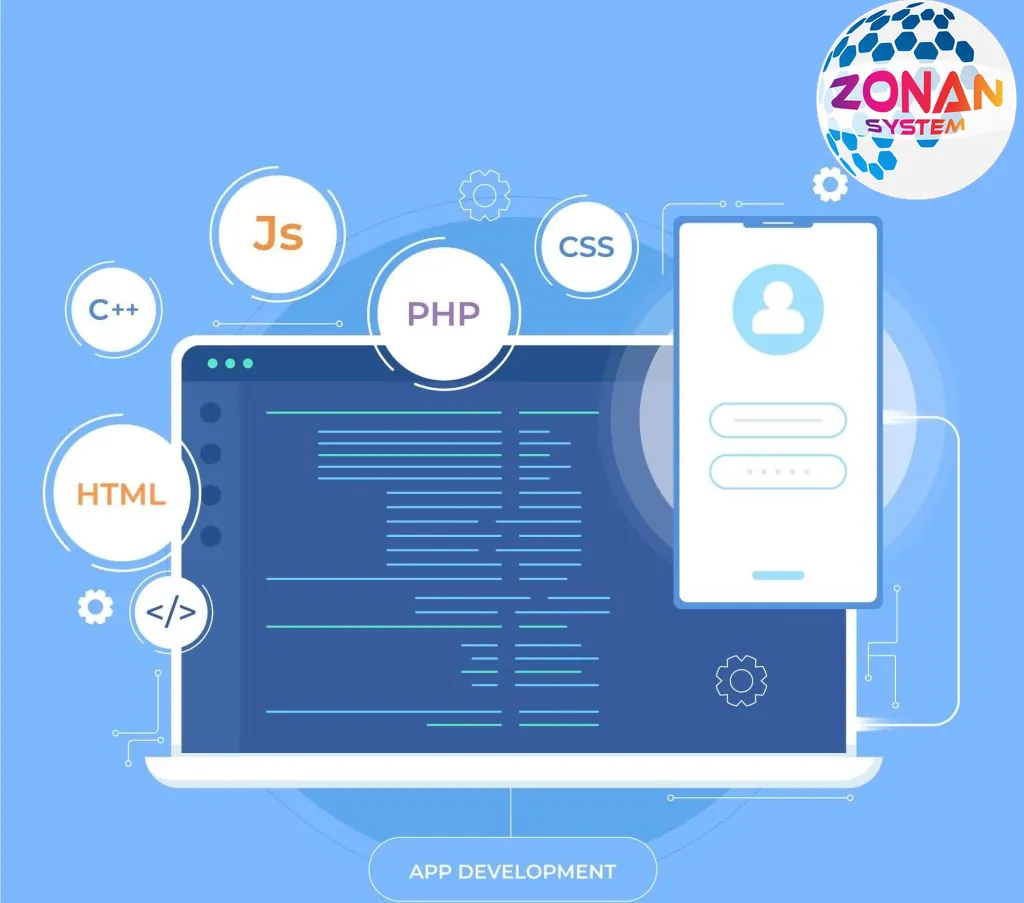
- Web programming languages: These languages are used to build websites and web applications. Examples include HTML, CSS, JavaScript, PHP and Ruby on Rails.
What Are the Benefits of Learning to Program?
Learning to program opens up a wealth of possibilities and opportunities. Some of the main benefits include:
1. Financial independence: Programming is one of those professions that allows you to work as a freelancer or entrepreneur and shape your own projects, which can lead to a high, independent income.
2. Employability: With the ever-growing information and communications technology industry, demand for programmers remains consistently high. Learning to program can help you move easily into jobs in software and web development.
3. Developing logical thinking and problem-solving: Programming helps you strengthen your logical thinking and build your problem-solving skills. It teaches you how to break a problem down into smaller sub-problems and find effective solutions for them.
4. Creation and creativity: Programming offers plenty of opportunities for creativity. You can turn your ideas into software and applications and share them with others.
5. Personal and professional growth: Learning to program allows you to keep your technical skills continually up to date and move forward on your personal and professional path.
6. Communication and collaboration: Programming is a team activity, and learning it allows you to work in a team environment, collaborate with others and share your work.
How Much Do Programmers Earn?
Programmer salaries vary widely and depend on factors such as experience, skills, specialism, location and the type of company or project. Broadly speaking, however, earnings tend to follow a pattern like this:
1. Juniors and trainees: Junior programmers and trainees usually start on a lower salary.
2. Mid-level programmers: Programmers with moderate experience can usually command a noticeably higher income.
3. Senior and specialist programmers: Experienced programmers with expertise in specific areas can achieve much higher earnings, in some cases many times what a junior earns.
Please bear in mind that these are only general patterns and may differ depending on real-world conditions and individual circumstances. Programmers' income also usually rises as their career, specialism and experience develop.
Conclusion
Programming is a powerful skill that lets you turn your ideas into reality, can provide you with a well-paid career, develops your problem-solving abilities, offers financial freedom and career independence, and opens up countless opportunities for professional growth. All in all, programming is one of the most important and widely used skills in today's world.
Zonan System Team
Software & AI team
Developers, designers and AI engineers at Zonan System, writing about practical AI, software development and digital business.
Need advice for your project?
Zonan System experts will guide you for free.

Comments (0)
Be the first to comment.