
What Is Code Review? A Practical Guide for Development Teams
Code review is a key practice in software development that helps teams catch bugs early, improve code quality and share knowledge. Here is how to do it well.
Code review is one of the most important tools in the software development process, helping development teams improve the quality and maintainability of their code. It is carried out by developers who examine and evaluate the code independently of its author. The main aim of code review is to find errors, improve code quality and make sure the code has been developed in line with agreed standards. The process is also recognised as an opportunity to learn and share knowledge and experience, helping developers make the necessary improvements and learn from past mistakes.
What is code review?
"Code review" refers to the examination of code by one or more other developers in order to improve its quality, effectiveness, security and maintainability. The process is commonly used in software development environments and serves several purposes, including:
1. Finding errors and defects: by examining the code carefully, existing errors can be detected and fixed before the software is released.
2. Improving code quality: code review allows developers to apply best practices and programming patterns and to make the code easier to understand and maintain.
3. Training and learning: developers learn by engaging with other people's code and benefit from their colleagues' experience.
4. Verifying standards: code review allows developers to make sure the code is consistent with the standards agreed within the team or organisation.
The code review process is usually supported by code management tools such as GitHub or GitLab, which let developers leave comments on specific parts of the code and apply the necessary improvements in a coordinated, efficient way.
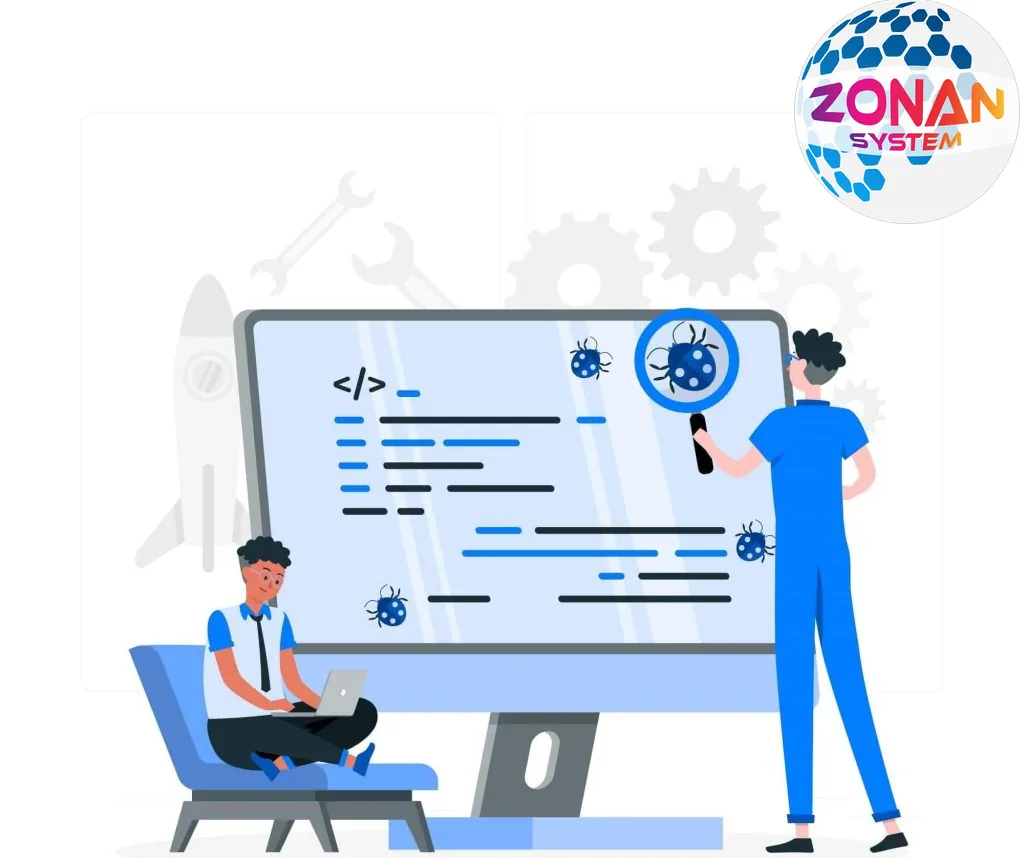
How to do a code review
The best practices developers can follow when reviewing code include:
1. Focus on the goal: developers should be clear about the main purpose of the review, such as finding errors, improving code quality and making sure the code meets the agreed standards.
2. Review the code thoroughly: reading the code in full and understanding exactly how it works is essential.
3. Use checklists and standards: working from checklists or defined development standards makes the review more comprehensive and ensures that nothing important is overlooked.
4. Check security: code review is also vital for detecting and preventing vulnerabilities and security weaknesses.
5. Communicate actively: developers should make an effort to talk and exchange views, especially when particular parts of the code need explanation or justification.
6. Record comments and criticism carefully: when giving comments and criticism, it is best to be precise and respectful so that collaboration and the necessary improvements happen in the best possible way.
7. Accept feedback: developers should accept the feedback they receive and act on it to make the necessary corrections and improvements.
These practices are typically applied within a code review process and help developers improve their code and increase its quality and maintainability.
Uses of code review
Code review is a very powerful tool in software development and is used across all kinds of projects and development environments. Some of its main uses are:
1. Identifying errors and defects: this is one of the primary uses of code review. Reviewing code allows errors, bugs and other defects to be detected and fixed.
2. Improving code quality: code review enables developers to use best practices and programming patterns and to make the code easier to understand, maintain and extend.
3. Enforcing coding standards: code review ensures that the code complies with the standards set by the team or organisation and that coding rules are followed.
4. Training and learning: code review lets developers learn from other people's experience and share knowledge and experience with the rest of the team.
5. Communication and collaboration: code review builds communication between team members and encourages greater collaboration and coordination.
6. Ensuring security: code security is critical in software development. Reviewing code from a security perspective identifies and fixes potential weaknesses.
7. Applying best practices and programming patterns: code review enables developers to use the best patterns, design patterns and programming techniques.
The key point about code review is that it not only improves code quality but also strengthens communication and collaboration within the team and increases the team's overall capability in software development.
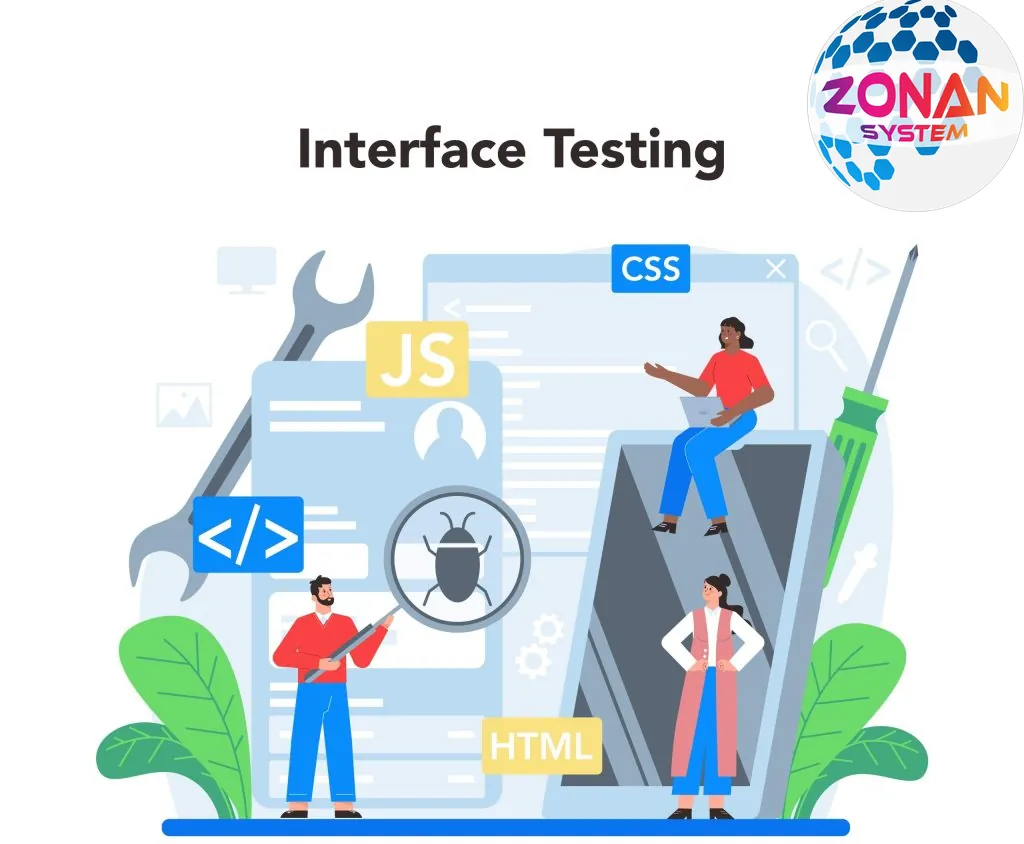
How can we run better code reviews?
To get more out of code review, you can use the following methods and tools:
1. Set standards: before you start reviewing code, define clear coding standards and make sure the team is familiar with them. These standards might cover naming conventions, code structure, the use of comments and so on.
2. Use code review tools: tools such as GitHub or GitLab offer many features that support better reviews, including commenting directly on the code and giving comprehensive feedback.
3. Use checklists: to make sure everything that matters has been considered, use code review checklists. These can cover areas such as performance, security, quality and more.
4. Review independently and regularly: code is best reviewed by several people working independently of each other. You can also set a schedule so that reviews happen on a regular basis.
5. Train the team: make sure team members understand the code review process and the agreed standards and are ready to take part.
6. Accept feedback: developers should accept the feedback they receive and act on it to make the necessary corrections and improvements.
7. Focus on the fundamentals: during a review, concentrate on fundamental issues such as performance, security and maintainability, and avoid getting stuck on less important details.
By following these practices and using the right tools, you can build a better and more efficient code review process that improves code quality and the team's ability to develop software.
Code review standards
Code review standards can cover several aspects that matter for code quality and maintainability. Some common standards are listed below:
1. Naming conventions: rules should be set for naming variables, functions, classes and other code elements so that the code is readable and easy to understand.
2. Code structure: use a logical, tidy structure, including consistent indentation, whitespace and logical blocks.
3. Comments and documentation: appropriate comments and documentation that explain the code are essential so that others can understand and use it.
4. Error and exception handling: correct approaches to handling errors and exceptions should be in place to prevent faults caused by them.
5. Efficiency and optimisation: optimal programming patterns and techniques should be used to produce better code and improve the program's performance.
6. Security: code review should look for security weaknesses and anything that could compromise the security of the system.
7. Performance and resource usage: attention should be paid to the efficient use of system resources and to the program's performance in different situations in order to improve the overall quality of the code.
8. Development rules and standards: defining specific standards and rules to be followed by the team or project is very important.
By setting and following these standards, code review can guarantee better code quality and maintainability and help developers perform at their best throughout the development process.
Tips for code review
There are a number of tips and recommendations that can improve the code review process and the overall quality of the code. Let us look at some of them:
1. Train the team in code review: make sure every team member understands the process and importance of code review and has the skills needed to carry it out.
2. Review code regularly: setting a schedule for code reviews and sticking to it helps you get the best possible results from the process.
3. Use checklists: checklists or quality-control lists help ensure that everything required is covered during the review.
4. Review independently and document the results: each review should be carried out independently of the others, and its results should be documented carefully.
5. Emphasise the fundamentals: during a review, fundamental issues such as performance, security and maintainability should take priority.
6. Give effective feedback: provide constructive, actionable feedback that helps developers make the necessary improvements.
7. Improve the process: after each review, look for ways to improve the code review process itself.
8. Respond to comments: developers should consider the comments they receive carefully and respond to them.
9. Communicate actively: continuous, active communication between team members throughout the review process is very important.
10. Use the right tools: suitable code review and code management tools can help improve the review process.
These tips can help improve both the code review process and the quality of the code over time.
Code review don'ts
Code review is a vital part of software development, and to make it effective there are certain things to avoid and mistakes not to make:
1. Harsh criticism: it is very important to give feedback respectfully and without insulting the author of the code. Criticism should be constructive and well organised.
2. Losing focus on the fundamentals: concentrating on minor, unimportant details instead of fundamental issues such as performance, security and maintainability may do little to improve the overall quality of the code.
3. Not giving constructive feedback: feedback that leads to direct, actionable improvements in the code is far more valuable than vague, general comments.
4. Not using checklists: failing to use checklists and quality-control lists can cause important points to be missed during the review.
5. Having only one reviewer: when code is reviewed by just one person, errors and problems that several reviewers would have spotted may be missed.
6. Not recording comments and explanations: failing to record review comments and explanations can cause confusion later on and slow down development.
7. Ignoring conflicts: paying attention to conflicts and problems that may arise during development, and raising them in the review, is very important.
8. Not updating documentation: code documentation should be updated to reflect code changes so that future developers have enough information.
These don'ts can undermine both the quality of the review and the overall quality of the code.
Conclusion
A light-hearted take on code review:
"Writing code is a bit like putting up a complicated building. Now imagine a friend comes along and says: 'I had a look at the hidden spaces between your walls. One of them looked a bit weak!' That is what a code review done well looks like!"
Isn't it? Probably a bit more than a simple check of the walls! But it shows how code review can bring important improvements to our code.
Code review is therefore a vital process in software development: it improves code quality, finds and fixes errors, strengthens security and maintainability, encourages communication and collaboration between team members, and passes knowledge and experience around the team. With the right standards, suitable tools and an organised process, code review can improve the performance and overall quality of a project.

Zonan System Team
Software & AI team
Developers, designers and AI engineers at Zonan System, writing about practical AI, software development and digital business.
Need advice for your project?
Zonan System experts will guide you for free.

Comments (0)
Be the first to comment.